
Dealing with coffee and red wine stains that toothpaste alone won't touch? Dentist Open Now connects you with a specialist in Round Lake Heights, IL who treats this specific issue every week, not occasionally.

One call gets you matched with a specialist and a confirmed time — not a callback promise.
+1-866-227-2801 Call Now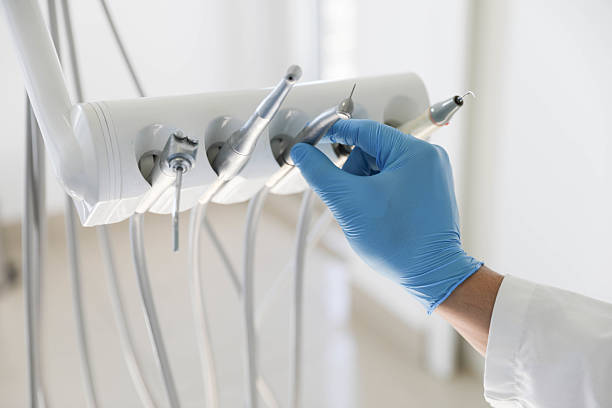
Not all discoloration responds the same way to whitening, which is why a proper consult starts by identifying whether the staining is surface-level or set deeper in the tooth. Extrinsic stains — from coffee, wine, or tobacco — usually lift well with peroxide-based whitening gel. Intrinsic staining, like the kind caused by certain medications or old trauma to a tooth, may need veneers or bonding instead of whitening alone.
In-office whitening uses a higher-concentration gel activated under controlled conditions, delivering visible results in a single sitting. A custom tray kit is commonly provided afterward so you can maintain results without repeat office visits.
Results fade faster for patients who go right back to the same staining habits, which is why most providers give you a short list of things to avoid for the first 48 hours. A touch-up tray a few times a year is usually enough to maintain the brighter shade long-term.
Clinical-grade whitening agents lift stains faster than anything available without a prescription.
A protective barrier shields your gums from the whitening gel during the entire treatment.
A single appointment is usually enough for a visible shade improvement, unlike gradual take-home-only kits.
Fitted trays let you touch up results at home between office visits.
Our network specialists cover the full range of this procedure, from the routine case to the complicated one.
A single session using clinical-strength gel activated under controlled light or heat.
Ideal for gradual whitening or ongoing touch-ups after an initial in-office visit.
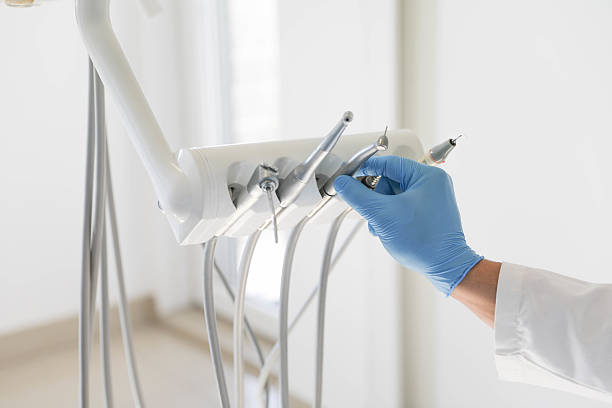
Surface stains from coffee, wine, or tobacco are treated differently than deeper intrinsic discoloration.
Desensitizing gel and adjusted treatment timing help patients prone to tooth sensitivity.
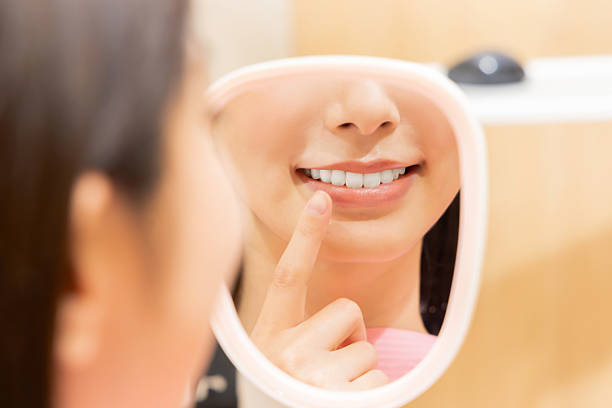
A cleaning removes surface plaque first so whitening gel works evenly across the tooth surface.
Deeper stains on individual teeth are sometimes masked with bonding rather than repeated whitening cycles.
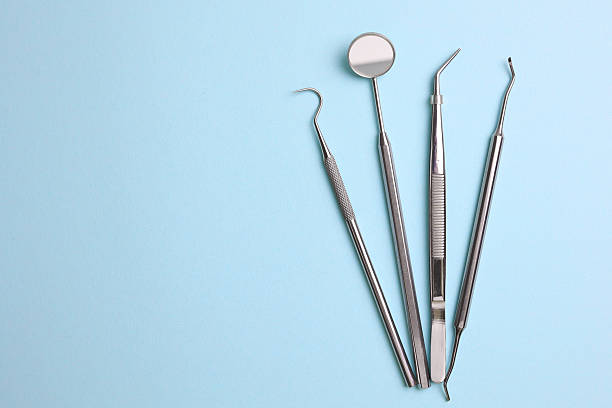
A coordinator answers and asks a few quick questions about your specific case and how soon you need care.
We match you with a nearby specialist experienced in this exact procedure and check real-time openings.
The specialist examines your case, often with same-visit X-rays, and gives you a cost estimate before starting anything.
Treatment proceeds on the agreed plan, with clear aftercare instructions and a follow-up if the case calls for one.
"Explained every step before doing anything. First time a dental visit didn't feel rushed."
"Got in faster than I expected for something this specific. Staff were sharp and direct."
"Price they quoted on the phone matched the invoice exactly. No surprise charges."
Most patients see a noticeable difference, though the exact shade change depends on the type of staining present.
Some temporary sensitivity is common and usually fades within a day or two after treatment.
Results typically last six months to two years depending on diet and habits like coffee or smoking.
Professional treatment is monitored for gum protection and uses controlled concentrations, unlike unsupervised home kits.
Most adults are candidates, though your provider will flag cases better suited to veneers or bonding instead.
Cost depends on whether you choose in-office treatment, take-home trays, or both, quoted before you book.
We keep an updated roster of specialists across Round Lake Heights and the surrounding zip codes, so a nearby provider is already in our network.
Licensed to practice in IL, credential-checked before joining the network.
A short phone call is all it takes to get this on the calendar this week.
Call +1-866-227-2801 Now